
Upwork for Beginners: Your Realistic Roadmap to Freelance Success

Working remotely, setting your own hours, and building a career on your own terms feels more within reach today than ever before. For many who want to start freelancing, especially beginners in the US and beyond, Upwork is a pretty powerful starting point into this flexible world.
Upwork is one of the biggest global marketplaces designed to connect freelancers with a wide range of clients. It offers opportunities across almost every skill imaginable, from creative tasks to highly technical ones. But if you’re new, the platform’s size might feel overwhelming with strong competition, unfamiliar terms, and complicated rules. This guide is created as a practical, step-by-step roadmap to help you start well on Upwork. It covers setting up your profile, applying for jobs, and shares strategies for handling expectations, getting through early hurdles, and building a lasting freelance career on the platform.
Understanding Upwork: What it Is and How It Works for Newbies
At its heart, Upwork is a digital platform where clients post jobs they need done, and freelancers submit proposals – basically applications for those jobs. It acts like a smart middleman, helping with everything from finding talent and easy communication to time tracking and secure payments. Think of it as a big virtual office park, with a constantly updated bulletin board full of new job listings and collaborative spaces for each project. It helps cut down much of the usual freelancing paperwork.
Clients usually post two main types of projects on Upwork, with different payment and management setups:
- Hourly Contracts: You track your work hours using Upwork’s desktop app, which takes automatic screenshots and keyboard/mouse activity to create a Work Diary. You get paid for client-approved hours, ensuring transparency and safety.
- Fixed-Price Contracts: You and the client agree on a total project price, divided into milestones funded via escrow, released upon approved completion.
Keep in mind Upwork takes a tiered service fee from your earnings: starting at 20% for the first $500 with a client, dropping to 10% up to $10,000, and 5% beyond. Though fees might seem high initially, they pay for platform features, payment protection, client marketing, and support.
Crafting Your Winning Upwork Profile (Even Without Prior Experience)
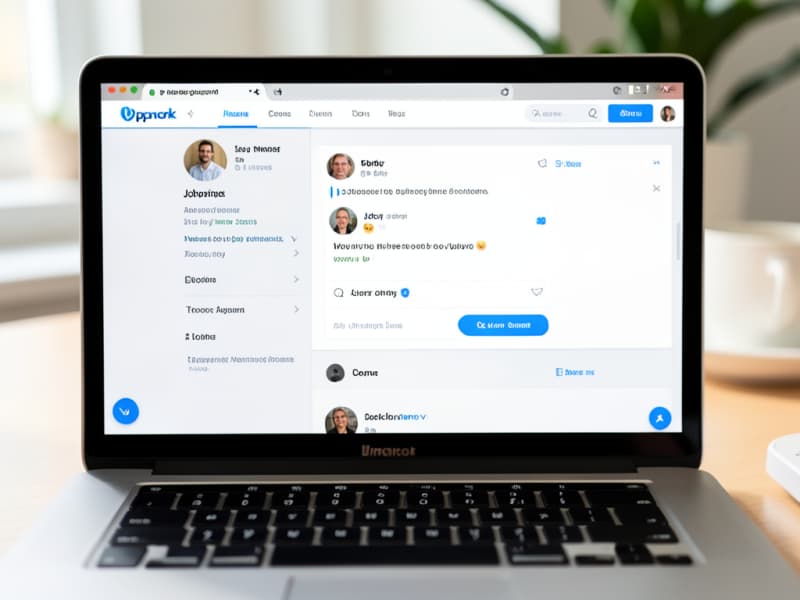
Your Upwork profile is your digital storefront, resume, and portfolio rolled into one. Even without paid freelance experience, you can make a profile that stands out and shows your potential.
a. Identifying Your Core Skills and Niche
Beginners often make the mistake of trying to do everything. Instead, focus on 1-3 main services you’re good at—be it creative writing, data entry, graphic design, social media, or virtual assistance. Specializing in a niche (e.g., “SEO-Optimized Blog Content Writer for SaaS Startups”) makes you more attractive to clients and reduces competition.
b. Optimizing Your Profile for Maximum Visibility
- Professional Photo: Use a clear, friendly headshot with a genuine smile. Avoid blurry or casual photos.
- Compelling Headline: Write a headline showing what you offer and who you help (e.g., “Detail-Oriented Virtual Assistant Specializing in Small Business Support”).
- Strong Overview/Summary: Clearly state what you offer, what makes you unique, and how you help clients. Use relevant keywords.
- Relevant Skills: List all related skills, including software tools and soft skills like communication.
- Education & Employment History: Complete these fields highlighting relevant skills and projects, even non-freelance roles.
c. Building an Initial Portfolio (Even Before Your First Upwork Client)
No paid clients yet? Use:
- Personal Projects: Logos, blog posts, or social media plans created outside Upwork.
- Academic Work: Essays, research, or design projects with clear explanations.
- Mockups/Spec Work: Sample pieces showcasing creativity and ability.
- Volunteer Work: Nonprofit or community event contributions with impact details.
Mastering the Art of the Proposal: Standing Out from the Crowd
Proposals are your first impression and key to winning jobs.
a. Understanding Upwork Connects and How to Use Them Wisely
- Use Connects strategically—apply only to well-matched jobs.
- Avoid mass generic applications; personalize each proposal.
- Consider "Boost" options only on jobs where you have a strong chance.
b. Writing Compelling and Personalized Cover Letters
- Start strong with a personal reference to the client’s post.
- Show examples instead of just claiming skills.
- Directly link your skills to client needs.
- Ask clarifying questions to demonstrate understanding.
- End with a clear call to action (e.g., invite to chat).
- Proofread carefully to avoid typos and awkward phrasing.
c. Pricing Your Services as a New Freelancer
- Research average Upwork rates for your skill level.
- Don’t massively undercut as it may indicate low quality.
- Focus on the value and outcomes you offer.
- For fixed prices, clearly outline deliverables and revision limits.
Securing Your First Upwork Gig and Delivering Excellence
a. Interview Tips and Communication Best Practices
- Prepare by reviewing job details and client info beforehand.
- Maintain professionalism in video calls and messages.
- Listen actively, clarify doubts, and confirm deadlines.
- Regularly update clients on progress or issues promptly.
b. Managing Client Expectations Effectively
- Clearly define what’s included in the project and get written agreement.
- Set realistic deadlines with buffer time.
- Keep clients informed with regular messages.
- Agree on feedback and revision processes upfront.
Beyond the First Job: Building a Sustainable Freelance Career
a. Gathering Feedback and Testimonials
After job completion, ask for client feedback to boost your Job Success Score (JSS) and attract more jobs.
b. Avoiding Common Beginner Pitfalls
- Be patient—it takes time to build success on Upwork.
- Avoid bad jobs that don’t value your work or involve poor clients.
- Communicate promptly and clearly to maintain reputation.
- Adjust rates as you grow, don’t undervalue your skills.
- Keep improving and don’t give up after rejections.
c. Understanding Upwork Platform Policies (e.g., the '2-Year Rule')
Upwork requires doing all work and payments via their platform for at least two years with a client first met on Upwork. Violating this rule can lead to steep penalties including fees and account suspension. Follow the terms to stay safe.
Conclusion: Your Path to Upwork Success Starts Now
Starting on Upwork as a beginner can transform your work life. With patience, persistence, and dedication, you can build a strong profile, find fitting jobs, write personalized proposals, deliver excellent work, and follow platform rules. Your freelance career on Upwork begins with your first step—make it yours now!