
Make Money Online: The Ultimate Beginner's Guide to Earning Income from Home

In our increasingly connected world, the idea of making money online has grown well beyond just being a niche. It’s become an actual opportunity for many people, especially those who are just starting out and looking to build new income streams right from the comfort of their own home. While the internet offers tons of ways to earn, it’s also pretty easy to get overwhelmed by the many choices, mixed advice, and sometimes unrealistic promises. This guide aims to give you a practical, encouraging, and clear framework—especially if you’re a beginner. We'll clear up the myths, help you set realistic expectations, and provide actionable steps across various legit online income methods. By the end, you'll be able to find the best path for you, based on your own skills, interests, available time, and resources.
What Does "Making Money Online" Really Mean?
The term "making money online" broadly means earning income through digital platforms. This can include selling products, offering services, creating different types of content, or other web-based activities. Unlike traditional jobs tied to a physical place, online opportunities often let you work from almost anywhere, opening you up to global markets and more flexible schedules. That said, not every online income stream is the same. They vary quite a bit in the time needed, skills required, earning potential, and risks involved. Knowing these differences is key—it helps you choose options that actually fit your personal goals, instead of going after quick fixes or trends.
Active vs. Passive Online Income: Understanding the Difference
A fundamental concept when planning how to make money online is differentiating between active and passive income streams.
Active income requires your direct and ongoing effort. Essentially, you’re trading your time and energy for money. This includes freelancing, online tutoring, gig economy jobs, or micro-tasking services. Active income streams can sometimes begin generating money quickly, but the earnings generally stop when you stop working. This approach is effective for immediate cash flow and skill development, but it is limited by how many hours you can realistically commit.
Passive income refers to creating assets or systems that continue to generate revenue long after the initial work is done. This model frees you from directly exchanging time for money. Popular passive income sources include monetized blogs, online courses, affiliate marketing, and selling stock photos. These usually require significant upfront effort and time investment to build quality content or systems. However, once established, they can provide ongoing earnings without constant active work, enabling true scalability and often becoming key components of long-term financial freedom. Many successful online entrepreneurs combine both active and passive income streams—using active work to fund and support their passive projects.
Choosing Your Path: Factors to Consider Before You Start
Before jumping into the wide world of online earning, it’s wise to pause and reflect on several important factors that influence your success and satisfaction during your journey.
1. Skills and Experience: Take an honest inventory of your existing skills and talents. Don’t limit this to formal qualifications; consider competencies gained through past jobs, hobbies, or volunteer work. For example, strong communication skills are invaluable in writing or virtual assistance. Problem-solving abilities are essential in programming or consulting. Organizational skills can be leveraged as a virtual assistant or project manager. If certain skills are missing, view this as an opportunity to learn. Many free and paid online courses can help you gain foundational knowledge in areas like graphic design, web development, or digital marketing. Resources such as Coursera, edX, or YouTube tutorials are excellent places to start. Remember, everyone starts somewhere, and willingness to learn often outweighs current expertise.
2. Time Commitment: Be realistic about how much time you can dedicate to online work weekly. Some online income sources require full-time attention to see meaningful results, while others are compatible with part-time or flexible hours. If your available time is limited, micro-tasking or surveys may fit better but expect smaller, incremental earnings. Building passive income streams such as blogging or a YouTube channel requires consistent and ongoing time investment upfront to develop content, grow an audience, and gain authority. Balancing your available time against the demands of your chosen method is essential to prevent burnout and ensure steady progress.
3. Startup Costs (Time and Money): Every method of earning online requires some type of investment—whether that’s in time, money, or both. Most online opportunities demand a substantial time investment initially. Some also require financial investment for tools, software, marketing, or inventory. For example, starting a dropshipping store might involve costs for web hosting, domain registration, or advertising. Freelancers may invest in professional portfolio websites or specialized software. Clarify what budget you can commit and your comfort level with investing upfront. Usually, higher potential earnings correlate with more time and money invested initially. Still, many online businesses can begin with minimal financial outlay using free platforms and tools before scaling.
4. Interest and Passion: This is often overlooked but critical to long-term success. Choosing online income sources aligned with your genuine interests can make the work feel less like a chore and more like a rewarding activity. Passion fuels motivation and perseverance, helping you push through the inevitable challenges of building an online business. For instance, if you love writing, freelancing or blogging about topics you care deeply about is more sustainable than forcing yourself into a mismatched path. Similarly, if crafting is your hobby, selling handmade items on Etsy can be rewarding and authentic. Passion helps you produce quality, authentic content that resonates with your audience and stands out in a competitive online environment.
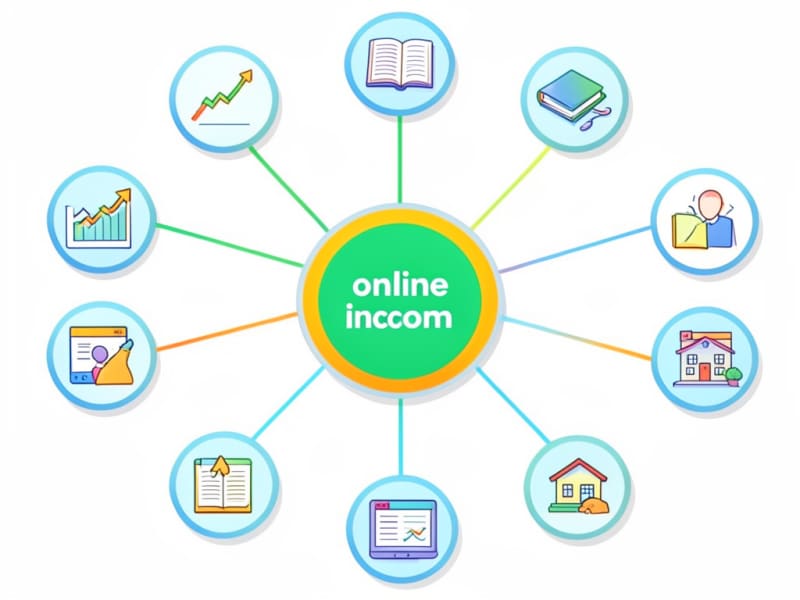
Legitimate Ways to Make Money Online (with Actionable Steps)
Here’s a detailed breakdown of proven online income methods, paired with practical advice to help you get started:
1. Freelancing Your Skills (Writing, Design, Programming, Virtual Assistant, and more)
How It Works: Freelancing involves selling your expertise and services to clients on a project or ongoing basis. Clients list projects, and you submit tailored proposals explaining how you will solve their problems. This model offers flexibility and diverse experiences.
Platforms to Explore: Top platforms include Upwork, Fiverr, and Freelancer.com, all supporting various skills. For specialized programming tasks, Toptal is highly recommended. LinkedIn is also critical for networking and sourcing direct clients as your experience grows. These platforms facilitate connections while often handling payments securely.
Getting Clients and Building Reputation: Begin by crafting a clear, professional profile that details your skills and showcases your portfolio. If you’re new, create sample work or offer a few free or discounted projects to build credibility. When applying, avoid generic responses—customize proposals to reflect understanding of the client’s needs and how you will help. Always deliver quality work on time. Positive feedback and reviews build your reputation, leading to more and higher-paying opportunities.
Setting Your Rates: Research industry standards for your skill level and services. It’s wise to start with competitive rates initially to attract clients and gather testimonials, then gradually increase as your portfolio and reputation grow. Clearly communicate what your fees include. Avoid underpricing, which can cause burnout and undervalue your work. Consider time required, skill complexity, and any costs when deciding rates.
2. Selling Products Online (E-commerce, Dropshipping, Handmade Crafts)
How It Works: Selling products online encompasses either physical or digital items. You can create and sell your own goods or source products from suppliers. Dropshipping allows you to sell items without holding inventory—orders are fulfilled directly by suppliers.
Setting Up Your Shop: Platforms like Shopify offer customizable store setups. Etsy is ideal for handmade and vintage items, with an active buyer community. Amazon provides vast reach and fulfillment services. WooCommerce integrates with WordPress for flexible e-commerce solutions. Regardless of platform, make sure product listings are professional, with high-quality photos and detailed, persuasive descriptions.
Product Ideas and Niche Selection: Choose products and niches based on market trends and personal interests. Emerging areas such as sustainable goods, smart home devices, or niche accessories can provide advantages. Consider what problems your products solve or the unique value they bring.
Marketing Your Products: Effective marketing is crucial. Leverage social media platforms like Instagram, TikTok, Pinterest, and Facebook to showcase products and build a customer base. SEO helps increase organic search traffic to your listings and store. Email marketing nurtures relationships and encourages repeat customers. After confirming demand and ensuring product quality, consider small-scale paid advertising on Google or Facebook to accelerate growth—but test and adjust carefully to avoid waste.
3. Content Creation and Monetization (Blogging, YouTube, Podcasting, Social Media)
How It Works: Content creation involves regularly publishing valuable or entertaining material that attracts and engages an audience in a chosen niche.
Building an Audience: Consistency and authenticity form the backbone. Publish content aligned with your audience’s interests and needs, whether tutorials, reviews, or storytelling. Engage with followers through comments, social media, and live interactions to build community. SEO is crucial for blogs and YouTube channels; optimize your titles, descriptions, and keywords to improve discoverability.
Monetization Strategies: Once you develop a steady audience, you can monetize through multiple avenues. Ad programs like Google AdSense or YouTube’s Partner Program share advertising revenue. Affiliate marketing lets you promote products and earn commissions on sales. Brand sponsorships, product placements, and selling your own digital goods or coaching services can further enhance income.
Consistency and Patience: This path often requires months or years of steady work and content refinement. Growing a loyal audience is a gradual process. Planning and maintaining a content calendar ensures regular output. Cross-promoting your content on social media helps expand reach. Treat this as a long-term journey requiring perseverance and adaptability.
4. Online Services and Consulting (Coaching, Tutoring, Web Development, Marketing Consulting)
Identifying Your Niche and Expertise: Clarify your unique skills or knowledge areas where others seek help. Coaching can cover life, business, health, or specialized software. Tutoring ranges from academic subjects to languages or music. Web development includes site creation, maintenance, or optimization. The more specific your niche, the easier it is to target and attract ideal clients.
Marketing Your Expertise: Establish a professional website featuring service descriptions, qualifications, testimonials, and contact options. Offering free initial consultations or sample sessions can build trust. Networking in online community groups and social media channels can generate referrals. Publishing content like blogs or videos on your area of expertise helps position you as an authority.
Setting Your Pricing and Managing Clients: Determine fees based on your experience, market demand, and value provided. Pricing models can be hourly, project-based, or retainer packages. Clearly outline deliverables and terms to manage expectations. Use contracts and reliable payment methods. Prioritize communication and timely delivery to build a sustainable, repeat client base.
5. Participating in the Gig Economy (Delivery, Ride-Sharing, Task-Based Apps)
Platform Overview: Gig economy platforms like DoorDash, Uber Eats, and Grubhub allow you to earn by delivering food. Uber and Lyft provide ride-sharing opportunities. TaskRabbit connects you to local errands and handyman tasks. Entry barriers are generally low, often requiring background checks and a vehicle or smartphone.
Maximizing Your Earnings: Work during peak hours to benefit from higher demand and surge pricing. Using multiple platforms simultaneously reduces downtime. Excellent customer service boosts tips and ratings, leading to more job offers. Track expenses such as fuel, vehicle maintenance, and data usage carefully for budgeting and tax purposes, since workers are independent contractors.
6. Micro-Tasking and Online Surveys (Completing Small Online Jobs)
Understanding the Payoff: Micro-tasking involves completing small digital chores better done by humans, such as image tagging or content moderation. Surveys gather consumer opinions. These tasks typically pay low rates but offer flexibility, making them suitable for supplementing income during spare moments rather than serving as main revenue.
Reputable Platforms: Trusted sites include Amazon Mechanical Turk, Swagbucks, and Survey Junkie. Always research and verify platform legitimacy before investing time or sharing personal data, as scams exist. Legitimate platforms do not require upfront fees.
7. Other Creative Income Streams (Photography, Online Courses, Stock Trading Basics)
Photography: Photographers can sell stock images through Shutterstock, Adobe Stock, or Getty Images. Success depends on high-quality photos with popular or niche subjects and good keyword tagging to improve discoverability.
Online Courses: If you possess teachable skills, packaging knowledge into courses on platforms like Udemy, Teachable, or Kajabi can generate passive income. Creating quality content and effective marketing require significant upfront effort but can yield ongoing revenue with minimal additional work.
Stock Trading Basics: Approach trading cautiously. It carries high risks and requires thorough education. Use paper trading (simulated investing) to practice without financial risk. Learn fundamental analysis (company health) and technical analysis (price trends) before investing real money. Consult reputable courses and materials on market strategies and risk management to avoid costly mistakes.

Tips for Success and Longevity in Your Online Endeavors
Building a Strong Online Presence: Whatever path you choose, maintain a professional and coherent online profile. Keep portfolios, testimonials, or social media accounts current. Clear, honest communication and presentation build trust with clients, customers, and followers.
Time Management and Discipline: Treat online work with commitment and structure. Developing schedules, setting realistic goals, and limiting distractions enhance productivity. Many fail due to inconsistent efforts—discipline often distinguishes success.
Continuous Learning and Adaptation: The digital landscape evolves rapidly. Staying updated on trends, tools, and best practices keeps you competitive. Adopt new technologies and adjust strategies based on feedback and results. Flexibility is essential for sustainable success.
Common Pitfalls to Avoid When Earning Online
Beware of 'Get Rich Quick' Schemes: The most significant warning is to avoid offers promising rapid wealth with little or no effort. These are nearly always scams. Legitimate online income demands patience, learning, and consistent work. Practice skepticism towards anything that sounds too good to be true.
Overlooking Taxes and Legalities: As an online earner or business owner, reporting income correctly to tax authorities is mandatory. Failure to comply can lead to penalties or legal trouble. Keep detailed records of earnings and expenses. Consulting a tax professional knowledgeable in self-employment or online business is highly recommended.
Lack of Persistence: The path to online income is rarely smooth. Expect setbacks, slow growth, and occasional failures. Many abandon prematurely. Success comes from steady effort, learning from errors, and maintaining long-term focus. Celebrate small milestones to stay motivated.
Conclusion: Your Journey to Financial Freedom Online Starts Here
Making money online is a personal and evolving journey that starts with commitment to learning, exploring, and taking consistent action. By aligning your current skills and genuine interests with practical, proven methods—and by setting realistic expectations—you can build reliable and potentially scalable income streams. Whether you prefer hands-on active work or aspire toward passive income for long-term freedom, the digital world offers diverse and ever-changing opportunities. Begin modestly, stay dedicated, and cultivate your online presence carefully. With persistence and a clear sense of purpose, financial freedom and a flexible lifestyle are within your reach. This guide provides a solid foundation—the next step depends on you.
Key Takeaways
- Understand the difference between active and passive online incomes.
- Assess your skills, time, startup costs, and passions before choosing a method.
- Freelancing, selling products, content creation, consulting, and gig economy offer proven paths.
- Consistency, discipline, and continuous learning are crucial for success.
- Avoid get-rich-quick schemes and comply with tax/legal obligations.