
The Ultimate Guide to Earning Passive Income Online for Beginners

Imagine a life where your finances don’t depend solely on the hours you actively work. Instead, picture your money generating income even while you’re sleeping, traveling, or chasing your deepest passions. This isn’t some far-fetched fantasy—it’s really the basic promise of passive income. For many, the idea of earning passive income online can feel out of reach, wrapped in complexity and doubt. But with the right foundational knowledge, a solid strategy, and a true commitment to putting in the upfront effort, it’s something entirely achievable whether you’re a complete beginner or an experienced entrepreneur.
Understanding Passive Income Online: What It Really Is (and What It Definitely Isn't)
At its heart, passive income means money earned regularly with very little ongoing effort needed to keep it going. The key phrase here is "ongoing effort." This doesn’t mean zero effort at the start. In truth, most real and lasting passive income streams need a big upfront investment—whether that’s your time, money, or often both—to set things up, build them, and get them working smoothly. Once you’ve nailed that part, these streams are meant to earn revenue with minimal active involvement from you.
It’s super important to clear up what passive income IS NOT: it’s not a "get rich quick" scheme. Always be very cautious and skeptical of anything promising huge returns with hardly any work, or guaranteed overnight success for almost no effort. Those are usually scams aiming to take your money, waste your time, or both. Legitimate passive income takes dedication, patience, and often quite a bit of trial and error before it actually becomes passive.
To paint this picture better, think of building a house. You put in loads of work, careful planning, and lots of money upfront while it’s being built. After the house is done, furnished, and rented out, it starts making income with pretty little ongoing work (maybe just handling tenants, collecting rent, or fixing things occasionally). The rent you get is passive income, but it wouldn’t exist without all that active building and groundwork first.
Cultivating the Right Mindset for Successful Online Passive Income
Starting out to earn passive income online takes more than just choosing a method; it calls for the right mindset. Success is never guaranteed, and obstacles will come your way. Here’s the mindset that can help you best:
- Patience and Persistence Matter: Passive income rarely happens overnight or in just a few weeks. It often takes many months or years of steady effort to build a valuable asset that reliably makes money. Don’t get discouraged by slow progress or small setbacks; staying consistent and pushing through is your strongest tool for long-term asset development.
- Stay Open to Learning and Adapt: The online world is always changing with new tech, trends, and algorithms. Be ready to pick up new skills, adjust your plans as things change, and keep improving your ideas. What works great today might need reworking or a new approach down the road.
- Be a Problem-Solver: Try to see challenges as puzzles to solve instead of impossible problems. Each challenge you overcome not only makes your business stronger but also builds your grit, creativity, and skills.
- Keep a Long-Term View: Think beyond quick money. Aim to build something that can provide steady income for years. That means focusing on quality, giving real value to your audience, and running a business that can handle market ups and downs.
- Be Realistic: Remember that while passive income can free up time and give financial flexibility, it’s not a magic shortcut to riches without any effort. Set goals you can actually reach, accept progress comes step by step, and celebrate even small wins to keep motivated.
- Stay Disciplined: Even the most "passive" incomes usually need some upkeep, whether it’s updating content, engaging with your audience, or checking performance. Keeping up with these tasks regularly is key to maintaining steady income.
Key Categories of Online Passive Income Streams for Beginners
1. Creating and Selling Digital Products & Content
This area suits creative folks, experts, or anyone who likes sharing knowledge. The great thing is, you make the product once and it can be sold over and over, earning money long after you’ve created it. That kind of scalability is a backbone of passive income.
E-books and Online Courses:
If you know your stuff in a certain area, writing an e-book or making an online course can be super rewarding and profitable. Whether it’s a cooking guide, coding tutorial, personal finance deep dive, or a niche hobby, people are always eager to learn new things. These digital products package your expertise into something valuable people want.
- Pros: High profit margins, especially with e-books. You can leverage your existing knowledge without needing to learn totally new skills. Plus, it feels good to create and share what you know. Costs to distribute are very low once it’s done.
- Cons: Takes a fair amount of time upfront to write, structure, and edit. You also need good marketing to get noticed and make sales. Popular niches can be crowded, so you’ll need a unique angle or really good quality.
- How to Start: Find a niche where you really meet demand. Make a detailed outline, then write your e-book or record your course modules. Use platforms like Gumroad, Amazon Kindle Direct Publishing (KDP) for e-books, or course sites like Teachable, Thinkific, and Udemy to publish and sell. Focus on creating high-value content that truly helps your audience solve problems.
Printables, Templates, and Digital Designs:
If you have a good eye for design or are organized, making digital products like planners, journals, invitations, social media templates, custom fonts, or digital stickers can bring in good passive income. These often take less time than full courses or e-books and appeal to a wide group looking for convenience and style.
- Pros: Easier entry if you have basic design skills. You can scale by selling unlimited copies, no physical stock needed. Tools like Canva, Procreate, or Adobe Illustrator/InDesign can help make them.
- Cons: Some design ability is needed. Market research is important to find demand and trends. There’s competition, so your products need to stand out with quality and uniqueness.
- How to Start: Use your favorite design software to create. Set up a shop on Etsy, Creative Market, or your own e-commerce site. Always aim for quality, usefulness, and visuals that truly connect with your audience.
Stock Photography and Footage:
If you love photography or videography, you can turn that passion into passive income by uploading your work to stock photo and video sites. Businesses, bloggers, and marketers constantly need fresh, professional visuals.
- Pros: Monetize a hobby you enjoy. Once uploaded and accepted, you don’t have to actively sell. There’s a steady demand for varied styles and subjects.
- Cons: Pay per sale is usually low, so you’ll need a lot of quality submissions. Good equipment and skills (lighting, editing, composition) are essential. Submission guidelines can be strict and require legal releases.
- How to Start: Build a portfolio of varied, high-quality images or clips. Join stock sites like Shutterstock, Adobe Stock, Getty Images (iStock), or Alamy. Follow their technical and legal guidelines closely, and add accurate keywords to help buyers find your work.
2. Blogging and YouTube Channels (with Monetization Strategies)
Starting a blog or YouTube channel is a classic way to grow an audience and then monetize it passively over time. Creating content is active and demanding at first, but income can get more passive as your following grows.
- Pros: You can focus on almost any passion or niche, giving flexibility and fulfillment. Multiple ways to monetize mean you’re not stuck relying on one income stream. It also gives you authority and creates a valuable digital asset.
- Cons: Takes lots of time, effort, and often years to build a big enough audience. Income usually doesn’t come fast or steady at the start. Blogging needs SEO skills; YouTube calls for video editing and engaging presentation.
- How to Start: Pick a niche you really care about and that has an interested audience. Make high-quality content regularly that teaches, entertains, or solves problems. Monetize by:
- Advertising: Like Google AdSense for blogs or YouTube’s Partner Program.
- Affiliate Marketing: Promote relevant products and earn commissions.
- Selling Your Own Products: Use your audience to sell e-books, courses, printables, or merchandise.
- Sponsored Content: Collaborate with brands for sponsored posts or videos, which sometimes requires more active work but can fund more passive options later.
3. Leveraging Online Platforms and Services
These methods often mean acting as a middleman, linking buyers and sellers or automating sales or lead generation for other businesses, earning a cut.
Affiliate Marketing:
This means promoting other people’s products or services. When someone buys through your unique link, you get a commission. You can do this through blogs, YouTube, social media, emails, or review sites.
- Pros: No need to create products, handle inventory, or customer service, which lowers risks and work. You can promote lots of different things and adjust by market trends. Checking out resources on freelancing and AI in digital marketing can give useful tips.
- Cons: Your income depends on product popularity, sales, and commissions. Rates can be low, so you need volume to earn well. Building trust with your audience and being transparent is crucial. Competition for good keywords and attention is strong.
- How to Start: Join trusted programs like Amazon Associates, ShareASale, ClickBank, or collaborate with companies you believe in. Make helpful content—like reviews, comparisons, tutorials—that genuinely aids buying decisions. Place affiliate links with clear disclosures.
Dropshipping (Running an Automated Store):
This e-commerce model lets you sell without holding any inventory. When customers order, you buy from a supplier who ships directly to them. You’re basically the storefront and customer care.
- Pros: Low startup cost, no inventory to manage. Lots of products to choose from, flexible and scalable. You can run it nearly anywhere.
- Cons: Success depends on good suppliers and efficient logistics. Margins can be thin due to competition and costs. You need good digital marketing skills. While automation is possible, significant active management is often needed for customer issues, returns, and supplier coordination. Shipping times can be a customer service challenge.
- How to Start: Pick a profitable niche and products. Build your store on platforms like Shopify, and integrate with suppliers through apps. Your focus is marketing and customer experience. Though some tasks can be automated, beginners often face a lot of hands-on work to keep quality and customer satisfaction high.
4. Exploring Low-Barrier Investment Opportunities
While stock investing isn’t always billed as "online passive income" like digital products, some low-risk options can add to your passive income portfolio. These let you grow savings with little ongoing effort.
High-Yield Savings Accounts (HYSAs) and Certificates of Deposit (CDs):
Probably the simplest and safest passive income. You put your savings in a high-yield account or CD and earn interest automatically without active work. It’s a solid step for financial security and capital preservation.
- Pros: Very low risk and often federally insured. No active management needed after depositing.
- Cons: Usually low returns, barely beating inflation, so not for fast growth. Meant more for preserving and buffering funds than significant income generation.
- How to Start: Look for online banks with competitive rates. Open an account and deposit money. It’s a great base for stability but not for aggressive income building.
Dividend-Paying Stocks (With Caution for Beginners):
Owning shares in profitable companies means they might pay you a portion of profits regularly. This can be a real and ongoing passive income source.
- Pros: Can give steady payments, often quarterly, and they might grow over time. Your shares may also increase in value. You own part of established, often stable businesses.
- Cons: Needs upfront capital, sometimes significant. Stocks carry inherent risk from company performance and market fluctuations. Dividends aren’t guaranteed and could be cut. Investing in single stocks is complex for beginners and requires substantial research.
- How to Start: Be very cautious and learn a lot first. Beginners should start small with diversified index funds or ETFs focusing on dividend stocks rather than picking individual companies. Use trusted brokerages. Never invest money you cannot afford to lose.
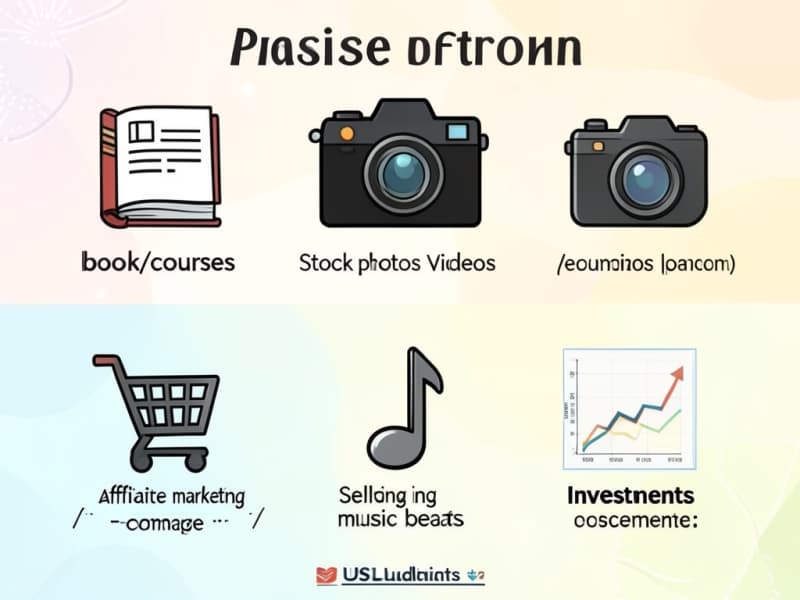
How to Start Earning Passive Income Online with Little to No Money
A common hurdle is not having much cash to start. Good news is some passive income streams can begin with little or no upfront money. They mostly ask for your time, current skills, and creative thinking instead.
- Use Your Current Skills: What are you good at? Writing, graphic design, coding, or teaching? Turn these into digital products like niche e-books, templates, micro-courses, or build a blog or YouTube channel around your expertise.
- Content Creation: Blogging and YouTube mainly ask for your time and effort. Start a blog on free platforms like Blogger or WordPress.com, or a YouTube channel with just your phone and free editing tools. Monetize with affiliate marketing or ads once you grow an audience.
- Affiliate Marketing Without a Website: While owning a site is ideal for growth, you can do affiliate marketing through social media (if you follow platform rules), relevant online communities (authentically, by providing value first), or by growing an email list—always being clear about your affiliations.
- Print-on-Demand (POD): Services like Printful or Redbubble let you upload your unique designs on products like shirts or mugs. When sold, they handle printing and shipping, and you get royalties. Your upfront work is making the design, with no inventory hassles.
The key is to be resourceful, keep at it, and focus first on building valuable things. Then slowly add ways to make money, and wisely put any earnings back into growing your projects.
Setting Realistic Expectations: Time, Effort, and Income Potential
This part is super important for beginners because passive income’s appeal can overshadow the real work needed.
Time and Effort:
No stream is 100% passive at the start. Expect to spend a good chunk of time learning skills like SEO, marketing, design, video editing, or web basics. You’ll create products or content, set up your platforms, promote your offerings, and handle maintenance or customer support. This active build phase can take months or even years before income really feels passive.
Income Potential:
Some folks make big money and financial freedom from passive income, but it’s not guaranteed or instant for everyone. What you earn depends on:
- Which method you pick (some are safer with low returns, others riskier but potentially higher rewards).
- How well you research your market and pick profitable niches.
- The quality and value of your product or content.
- How effectively you market and promote your offerings.
- The scale of your efforts and audience reach.
Many start by earning a few hundred dollars a month, which can really help boost their main income. Over time, with steady work and reinvestment, this can grow significantly. The goal should be steady, reliable income that gives you flexibility, not chasing unrealistic get-rich-quick dreams.
Strategies for Growing and Diversifying Your Passive Income Streams
Once you’ve got one stream going, don’t rest on your laurels. Growing and diversifying is key for building a strong and lasting financial future.
- Reinvest Wisely: Don’t spend all your earnings immediately. Put some back into essential tools, software upgrades, targeted advertising campaigns, or hire help for repetitive tasks to free up your time for strategic thinking.
- Scale What Works: If one e-book or blog post does exceptionally well, build on it. Create a series, develop a more in-depth course, or expand the topic into related areas. Develop lead magnets to capture email subscribers for future promotions.
- Diversify: Don’t put all your eggs in one basket. Add different types of passive income streams to your portfolio to spread risk and capture different market opportunities.
- Keep Learning and Adapting: Stay updated on industry trends, new technologies, and platform algorithm changes. What works today might need tweaking or a complete overhaul tomorrow.
- Build Your Audience: An engaged and loyal audience is your most valuable asset. It makes promoting new products or affiliate offers much easier and more effective.
- Automate and Delegate: As your income streams grow, identify tasks that can be automated using software or delegated to freelancers. This could include customer service, social media scheduling, or content editing. Platforms like Upwork can help you find skilled freelancers, and exploring AI automation tools can offer significant time savings.

Common Pitfalls to Avoid on Your Passive Income Journey
Passive income is exciting but has numerous traps. Knowing these common mistakes helps you avoid costly setbacks:
- Shiny Object Syndrome: Resist the urge to constantly jump from one new idea to another. Pick a couple of strategies that genuinely interest you and align with your skills, and commit to them long enough to see results.
- Giving Up Too Early: It takes time and consistent effort before significant results show. Many potential passive income earners quit just before they would have achieved success.
- Skipping Market Research: Launching a product or service without understanding market demand, competition, or feasibility is a common way to waste time and energy.
- Falling for Get Rich Quick Scams: If an opportunity sounds too good to be true, it almost certainly is. Real passive income requires work, patience, and strategic planning.
- Neglecting Maintenance: Even seemingly passive streams require occasional updates, customer care, and performance monitoring to remain effective and profitable.
- Ignoring Marketing: A great product or valuable content won't sell itself. Without effective marketing and promotion, it won't get the attention it deserves.
- Underestimating Value: Your product or content must offer genuine value or solve a specific problem for your target audience to stand out and succeed in a crowded online space.
Conclusion: Building a Sustainable Future with Online Passive Income
Earning passive income online is a truly empowering path toward greater financial freedom, increased flexibility, and more control over your time. It does call for an upfront investment of time, effort, and sometimes some capital, but the long-term payoff of having money work for you can be life-changing.
Remember, think of passive income as a marathon, not a sprint. It requires patience, steady effort, a willingness to learn and adapt, and a realistic understanding of what success truly entails. By focusing on creating valuable assets, diversifying your income streams, setting practical goals, and diligently avoiding common pitfalls, you can build a durable financial future where your online work continues to earn for years to come. Start small, keep learning and improving, and take steady, purposeful steps. Your online passive income journey begins now.