
Top 10 Free APIs Every Developer Should Explore
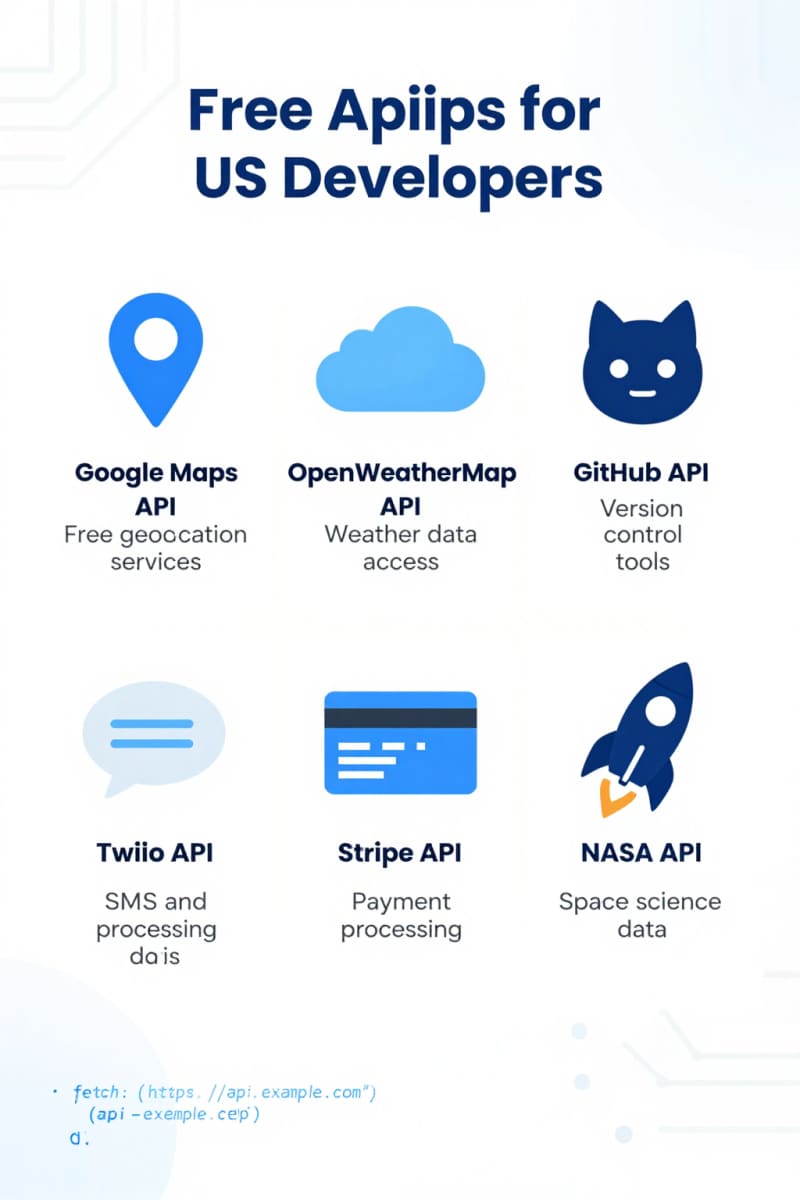
Free APIs have become essential tools for developers at all levels. They let you access tons of data and functions without any licensing fees, which makes quick prototyping, learning, and even deploying real-world applications a lot easier. Whether you’re just starting out with API integration or you’re an intermediate developer wanting to expand your toolkit, picking the right free APIs plays a really important role in building effective and scalable solutions. By leveraging these APIs, you can save development time and focus on creating unique features rather than building every component from scratch.
How We Selected the Top 10 Free APIs
We focused on practical usefulness, ease of use, solid documentation, active community support, and broad applicability. Each of the APIs listed has good documentation, is regularly maintained or supported by a strong community, and offers features that are good for a variety of projects—from data-heavy apps to entertainment and utility tools. We also leaned towards APIs that have low rate limits and simple authentication to keep them accessible for learners and people experimenting with new ideas. Additionally, we considered the APIs’ longevity and developer community activity to help ensure they remain reliable resources.
Top 10 Free APIs Every Developer Should Explore
- OpenWeatherMap API: Gives current weather conditions, forecasts, and historical weather data for pretty much anywhere worldwide.
- NASA API: Provides access to images, data, and info from loads of NASA missions.
- PokéAPI: A detailed database of Pokémon info including moves, abilities, and types.
- CoinDesk API: Offers real-time and historical data on Bitcoin prices and other cryptocurrencies.
- Cat Facts API: Shares random and interesting facts about cats.
- Dog CEO’s Dog API: Sends random dog images and breed info for different dog breeds.
- Rest Countries API: Offers detailed info about countries, including population, capitals, and currencies.
- JokeAPI: Fetches programming and general jokes to boost user engagement.
- JSONPlaceholder: A free fake REST API used for testing and prototyping CRUD operations.
- Public APIs on GitHub: A curated and community-updated list of hundreds of public APIs organized by topic.

Maximizing Your Use of Free APIs: Best Practices
When using free APIs, always check out their terms of service and usage limits to avoid unexpected restrictions. Plan your requests to stay within rate limits and consider caching responses where applicable to improve efficiency and reduce server load. Prepare your application to handle possible API downtime or changes in data structure by implementing error handling and fallback mechanisms. Stay engaged with community forums and keep an eye on official documentation updates for troubleshooting and best practice tips. Additionally, be cautious about sharing sensitive data when using public APIs and verify data privacy policies.
Integrating Free APIs into Your Development Workflow
Incorporate APIs early in your development process by testing endpoints individually using tools like Postman or Curl. This helps verify expected responses and understand possible error messages. Automate API interactions through code libraries or backend services during later stages of development to avoid manual overhead. Design your application architecture to gracefully degrade if an API becomes unavailable, such as queueing requests or using stored data. Finally, maintain documentation on how APIs are used within your projects to ease future maintenance or onboarding.
Conclusion: Unlocking Project Potential with Free APIs
Using these top 10 free APIs can really speed up your project development by giving you rich data and useful features at little to no cost. These APIs are great not just for experimenting but also for building solid applications. Developers wanting to improve their skills and build meaningful software will find starting with these accessible and well-supported APIs a really good choice. Regularly reviewing the status, updates, and community support for any free API you use is essential to ensure your project’s long-term stability. For more tips and guides on working with complex development tools, check out Agents Manual. You’ll find practical resources, checklists, and tools to better understand topics and make smarter decisions.