
Understanding Tech Today: Key News, Trends, and What It Means for the Future

Technology, often called “tech,” means the tools, systems, and processes made to solve problems and make daily life better. These days, tech is way more than just computers and gadgets; it covers areas like artificial intelligence, automation, the internet of things, and advanced medical devices as well. Essentially, tech encompasses any innovation or application designed to improve efficiency, connectivity, or quality of life.
Introduction: Defining 'Tech' in the Modern Era
Getting a solid grasp of modern technology is pretty key to understanding how it’s shaping our world. For instance, artificial intelligence allows machines to perform tasks that usually require human intelligence, while the Internet of Things connects everyday objects to the internet, making homes and cities smarter.
Current Top Tech News and Developments in the US
The tech scene in the United States is super dynamic and fast-changing, with innovations impacting many industries. Lately, the headlines have been focused mostly on advances in AI technologies, including generative AI models and automation platforms. These AI systems can create content, analyze large datasets, and even assist in decision-making across multiple sectors.
Big companies like Microsoft and Google are diving deep into AI research and pushing applications that touch everything from healthcare diagnostics, where AI can help detect diseases faster, to financial services, enhancing fraud detection and customer support. At the same time, 5G networks keep growing, improving connectivity and enabling smarter cities along with better mobile experiences. This faster, more reliable network supports innovations like autonomous vehicles and real-time gaming.
Meanwhile, cybersecurity remains a major focus as fresh threats pop up alongside these tech advances. With more devices connected to the internet, protecting data and privacy becomes increasingly important to safeguard individuals and organizations against cyberattacks.
Key Emerging Trends Shaping the Future of Technology
Several key trends are driving where technology is headed. Artificial intelligence and machine learning continue to lead the way, with AI-powered automation changing how businesses operate and how consumers interact. For example, chatbots provide quick customer service, while AI helps personalize online shopping experiences.
Edge computing is another big trend, moving data processing closer to users for faster, more reliable performance—that’s critical for things like autonomous vehicles, augmented reality (AR), and virtual reality (VR) experiences, where speed and low latency are essential to function effectively.

Sustainability’s playing a bigger role too, with companies focusing on greener innovations and energy-efficient devices. This includes developing hardware that consumes less power and software designed to optimize energy usage.
Beyond cryptocurrencies, blockchain technology is gaining traction in areas like supply chain management and secure data sharing, providing transparency and reducing fraud in transactions.
Understanding the Impact of Technology on Daily Life and Industries
Technology affects how people connect, work, and live in lots of ways. In healthcare, tools like telemedicine and personalized medicine are pushing patient care forward by making consultations more accessible and treatments tailored to individual genetic profiles.
Education is evolving through digital platforms and AI tutors, opening learning beyond the usual classrooms and enabling more personalized educational experiences.
Industries such as manufacturing and retail are being transformed by automation and data analytics, making processes more efficient and improving customer experiences through better inventory management and targeted marketing.
For everyday users, smart home devices and mobile apps offer conveniences and controls that once seemed out of reach, like voice-activated assistants that manage schedules or adjust lighting and temperature.
These examples show tech as more than just a tool—it’s really a core part of society that influences how we live and work every day.
Major Players and Innovations Driving the Tech Landscape
Today’s tech progress is mostly driven by key companies and innovative minds. Giants like Apple, Amazon, Google, and Microsoft lead the pack by investing heavily in research and growing their tech ecosystems. These investments fuel developments in cloud computing, AI, consumer electronics, and more.
Meanwhile, startups keep pushing limits with specialized technologies and disruptive ideas that often address niche markets or emerging needs.
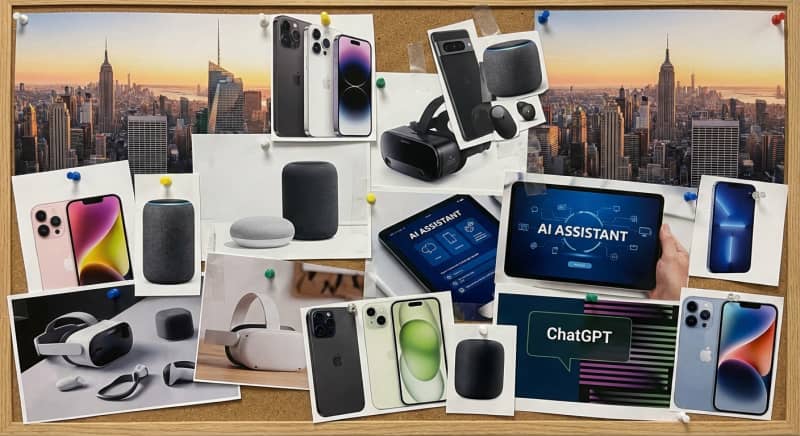
Things like AI chatbots, smart speakers, and virtual reality headsets show how fast consumer tech is evolving, blending hardware with software for richer experiences.
Plus, collaborations between tech firms and industries like automotive and finance are creating fresh combined solutions, such as electric vehicles with advanced driver-assistance systems or blockchain-based financial platforms.
The Evolving Landscape of Tech Careers and Skills
As technology advances, the demand for new skills and roles keeps growing. Fields like software development, cybersecurity, data science, and AI engineering are expanding quickly due to increasing reliance on digital systems.
Tech is becoming more interdisciplinary too, requiring knowledge of ethics, law, and human-centered design to ensure technologies are used responsibly and serve diverse populations effectively.
Ongoing learning and upskilling have become essential to keep pace. For newcomers, knowing the basics like coding, cloud computing, and AI fundamentals opens many doors in this vibrant job market.
The US tech job market stays strong, reflecting how important this sector is to the economy and the variety of opportunities available across industries.
Conclusion: Navigating Tomorrow’s Tech World
The tech landscape today keeps evolving and influences nearly every part of life and business in the US. From breakthrough AI to shifts in the job market, staying updated with tech news and trends helps people and organizations prepare for what’s coming next.
Understanding “tech” as more than just gadgets and software helps folks make smarter choices for their careers and daily lives.
For ongoing insights and useful advice on navigating this complex world, resources like Agents Manual offer information aimed at simplifying tech topics.
FAQ
- Q: What exactly does 'tech' include today?
- A: Tech includes a broad range of tools and systems such as AI, IoT devices, automation, software, and hardware innovations designed to improve how we live and work.
- Q: Why is learning about AI important?
- A: AI is shaping many industries by automating routine tasks, enhancing data analysis, and creating new products and services, so understanding it can help with career growth and informed decisions.
- Q: What skills are most useful for entering the tech field?
- A: Basic coding, understanding cloud technologies, and familiarity with AI are valuable starting points, along with continuous learning about emerging tools and ethical considerations.