
Freelance vs. Affiliate Marketing: Navigating the ClickBank Ecosystem for Sustainable Online Income

In the vibrant and constantly changing world of online income generation, folks looking for financial independence often find themselves choosing between different career paths. Among the most popular and accessible options are freelancing and affiliate marketing. Getting a clear grasp of the key differences, benefits, and unique challenges of each model is really important, especially when thinking about how to make the most of strong platforms like ClickBank. This guide gives a deep, analytical comparison of freelancing and affiliate marketing, explores the interesting mix you get by combining them into what’s called 'freelance affiliate marketing,' and shares strategy tips on making the most out of the ClickBank ecosystem to build a strong and varied online business.
Freelance Marketing Overview
At its heart, freelancing means a professional offers their specialized skills or services directly to clients on projects or contracts, instead of being a full-time employee. This setup gives people a lot of freedom over their work, who they work with, and their schedules. The range of popular freelance jobs is huge and growing, including things like content writing (for blogs, websites, marketing materials), software development and programming (building apps, websites, or custom software), graphic design (making logos, branding, marketing visuals), virtual assistance (handling admin tasks, emails, scheduling), and even specialized consulting services. Basically, if a business needs a skill, there's probably a freelancer who can deliver it.
Benefits of Freelancing:
- Direct Control and Autonomy: Freelancers are their own bosses. They set rates, pick clients, and decide their working hours. This control is a big draw, helping balance work and life and fitting work around personal commitments.
- Relatively Steady Income (with client retention): Once a freelancer has built a solid client base and keeps good relationships, they often get repeat business and longer contracts, giving a steadier income compared to the sometimes volatile early stages of affiliate marketing.
- Skill Building and Diversification: Handling a variety of projects for different clients exposes freelancers to many industries, challenges, and tech. This ongoing learning expands their skills and portfolios.
- Direct Client Relationships: Freelancers work directly with clients, which means clear communication, quick feedback, and the reward of seeing their work help a client. This closeness can also bring valuable referrals and testimonials.
- Low Startup Costs: For many freelance jobs, starting up is cheap—usually just needing a computer, internet, and existing skills. This makes freelancing an accessible way into earning online.
Challenges of Freelancing:
- Client Acquisition and Retention: Finding new clients and keeping them is always a challenge. It calls for constant marketing, networking, and proposal writing, which takes time and can be competitive, especially on platforms like Upwork or Fiverr.
- Managing Fluctuating Workloads: Freelance work can be feast or famine. Busy times can cause burnout, slow times bring financial stress. Managing workload and finances well is key.
- Competition: The online freelance space is global and competitive. To stand out, freelancers need to specialize, build a strong portfolio, and give great client service.
- Administrative Burden: Freelancers handle invoicing, taxes, contracts, and self-promotion themselves. This admin work can take time away from paid work.
- No Benefits: Unlike regular jobs, freelancers usually don’t get benefits like health insurance, paid leave, or retirement plans, so they must handle these on their own.
Essential Skills for Freelancers:
Besides being technically skilled in their field, successful freelancers need strong soft skills:
- Communication: Clear, concise, and proactive communication helps understand client needs, manage expectations, and fix problems.
- Time Management: Balancing several projects and deadlines needs good organization to deliver on time and avoid burnout.
- Self-Marketing and Sales: Freelancers have to market their services, write good proposals, and often negotiate rates. This needs an entrepreneurial attitude.
- Networking: Connecting with other freelancers, potential clients, and industry folks can lead to referrals and partnerships.
- Financial Management: Knowing how to budget, invoice, and handle taxes is vital to stay financially stable.
In short, freelancers exchange their time and skill for direct pay. Their earnings usually link closely to hours worked, projects done, and the value delivered to clients.
Affiliate Marketing & ClickBank Ecosystem
Affiliate marketing runs on a different model—promoting rather than providing a service. It means partnering with a merchant to promote their products or services, then earning a commission for each sale, lead, or click through your unique link. You don’t make the product, handle inventory, or deal with customer support; your main role is to drive traffic and conversions.
Benefits of Affiliate Marketing:
- Potential for Passive Income: Though not fully “passive” at first, well-built affiliate marketing channels (say, a top-ranking blog post) can keep earning with less daily effort than freelancing.
- Scalability: After making a good marketing funnel or content, you can often scale it without much extra work. You can promote more products to more people, possibly earning bigger commissions.
- No Product Creation or Inventory: Affiliates don’t need to create products, manage manufacturing, or handle shipping. That cuts down costs and complexity.
- Flexibility and Global Reach: You can do affiliate marketing anywhere with internet, choosing your hours and place. It also lets you reach a worldwide audience, expanding earnings.
- Low Startup Costs: Like freelancing, starting affiliate marketing costs little, mostly for a website (optional but helpful), hosting, and some marketing tools.
Challenges of Affiliate Marketing:
- Building Trust and Audience: Success depends on building trust. Without it, your recommendations won’t work. That needs steady effort creating useful, unbiased content.
- Competition in Crowded Niches: Many profitable areas are packed with competitors, so you need smart SEO, content, and marketing to stand out.
- Marketing Expertise Required: You don’t make the product, but you need strong digital marketing skills—SEO, social media, content creation, maybe paid ads.
- Income Volatility: Affiliate earnings can swing a lot, especially early on. They depend on product popularity, commission changes, and platform algorithms.
- Reliance on Others: Income depends on the merchant’s products and reputation. If a product stops or the merchant’s reputation slips, your earnings can drop.
Relevance to Platforms like ClickBank:
ClickBank is a top affiliate network focused on digital products in many niches, like health, wealth, self-help, e-business, and home. It’s popular for affiliates because:
- High Commissions: ClickBank often pays high commissions—50% to 75% or more—because digital products cost less to produce.
- Diverse Product Range: Thousands of digital products like e-books, courses, software, and subscriptions cover lots of niches and audiences.
- Ease of Entry: ClickBank is easy to join and start promoting, good for beginners.
- Vendor Support Materials: Many vendors provide affiliates with emails, banners, social media posts, and sales page copy, helping marketing.
Effective Affiliate Marketing Strategies within ClickBank (and beyond):
- Niche Selection: Pick a niche you like or know about. It makes content easier and authentic. Find profitable, less crowded sub-niches.
- Product Research: Don’t pick just any product. Use ClickBank filters, check 'gravity' (popularity), reviews, and sales page quality.
- Authentic Content Creation: Make valuable content that naturally fits affiliate links—reviews, comparisons, tutorials, or problem-solving articles. Being authentic builds trust.
- Leverage Multiple Traffic Sources: Don’t rely on one traffic source. Mix:
- SEO: Rank well on Google for keywords.
- Blogs/Websites: Create review and guide content.
- Email Marketing: Build and nurture an email list.
- Social Media: Share helpful content on platforms like Facebook, Instagram, YouTube, or Pinterest.
- Paid Ads: Experienced marketers can run Google or Facebook ads, but budgets need careful handling.
- Tracking and Optimization: Use ClickBank analytics and tools like Google Analytics to track clicks, sales, and earnings. Study what works and improve your campaigns and content. Test headlines, calls to action, and promotion styles.
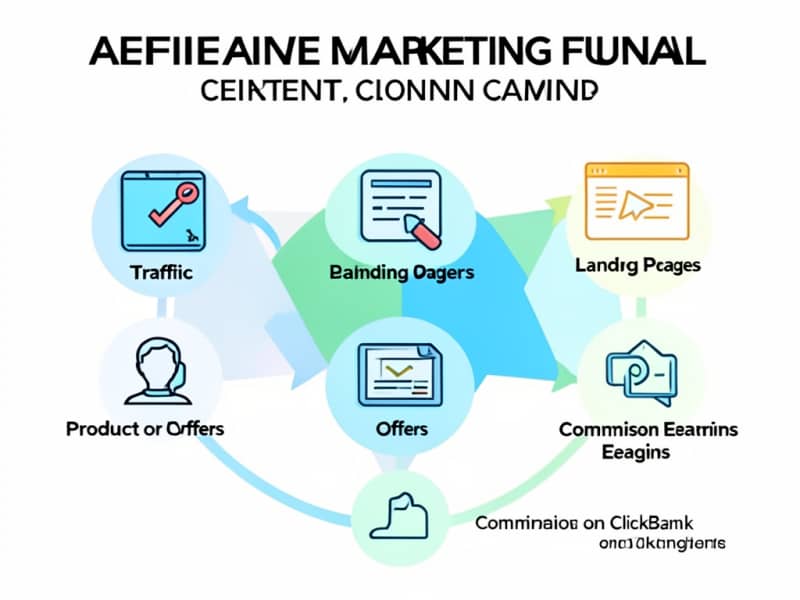
Comparing Freelance and Affiliate Marketing Strategies
Looking at these models side-by-side helps see which might fit your goals, or how to combine them well.
Income Stability:
- Freelancing: Usually offers faster and more predictable income once you have clients. Pay is often project or hourly, linking work and pay clearly. But income can drop if you lose clients or don’t find new ones.
- Affiliate Marketing: Income tends to be more variable, especially early on. It depends on product demand, popularity, conversion rates, and your promotion. It can get steadier over time but rarely matches freelancing’s direct pay-for-work stability.
Effort Investment:
- Freelancing: Needs ongoing active work, meeting deadlines, and delivering services. Effort matches income directly.
- Affiliate Marketing: Requires big upfront work on niche research, content, building audience, and funnels. After setup, it can bring income with less direct effort, though you still need to optimize and update.
Risk Profile:
- Freelancing: Risks include losing clients, uneven workflow, non-payment (though platforms like Upwork help protect payments), and handling self-employment taxes and benefits.
- Affiliate Marketing: Risks include marketing failures, poor product choices, merchant policy changes, commission cuts, search or social algorithm updates affecting traffic. Promoting poor products can harm your reputation.
Scalability:
- Freelancing: Scaling means taking more clients, hiring subcontractors, or raising rates. Time is a limit—you only have so many hours—and managing a team adds complexity.
- Affiliate Marketing: Usually offers bigger scalability and passive income potential. Successful content or funnels can sell 24/7 with little extra input. You can promote many products at once to wide audiences without trading more time for more money.
Startup Costs & Learning Curve:
- Freelancing: Low startup costs (just skills and a computer). Learning focuses on perfecting your craft and client handling.
- Affiliate Marketing: Also low startup costs, but learning digital marketing, SEO, and sales can be challenging and continuous.
Control Over Product:
- Freelancing: You fully control the service and quality.
- Affiliate Marketing: You can’t control the product, only how you promote it. You rely entirely on the merchant for quality and support.
Setting Realistic Expectations for Sustainable Income
It’s really important to have realistic expectations for freelancing and affiliate marketing. Neither promises quick riches or overnight success. Both need dedication, skill building, and steady, smart work. The path is often tough, full of lessons from wins and failures.
Dedication and Effort: Expect freelancing to mean constantly finding clients, delivering projects, and growing professionally. Expect affiliate marketing to need lots of upfront content, audience building, and fine-tuning. “Passive income” means the effort isn’t directly linked to hours worked, not that there’s no effort.
Patience is Key: Affiliate marketing takes time to build traffic, authority, and commissions. SEO may take months to show results. Freelance reputation grows bit by bit with each good review. Beware of get-rich-quick schemes; real success takes time.
Keep Learning and Adapting: The online world changes fast. Stay on top of new trends, tools, platform updates, and marketing tricks. Be ready to learn, adjust, and improve based on what the data and market say.
"The journey takes commitment, honesty, and learning all along, but the chance for long-term financial freedom and growth is big. The plan’s ready; now it’s time to get started."

Best Practices for Success in ClickBank and Freelance Platforms
Freelancing and affiliate marketing, though different in how they operate, both offer strong and complementary ways to earn online. By really understanding how each works, recognizing their challenges, and tapping into their powerful synergy—especially through platforms like ClickBank—you can create a smart, personalized plan that uses your skills and fits your financial goals. Going for the hybrid model, where freelance work fuels affiliate marketing, can boost income stability, help you grow bigger, and diversify where your money comes from. This two-pronged approach builds a strong base for a truly lasting and rewarding online business.
- Leverage Your Expertise: Use freelancing as a credibility booster for your affiliate promotions.
- Build Content Platforms: Create blogs, videos, or podcasts with genuine affiliate product reviews and tutorials.
- Promote Complementary Products: Align affiliate products with your freelance niche and client needs.
- Develop Your Email List: Engage followers and promote both freelance services and affiliate offers ethically.
- Maintain Ethical Disclosures: Always be transparent with affiliate relationships to build long-term trust.
- Utilize ClickBank Tools and Communities: Take advantage of vendor support, analytics, and training.
- Balance Effort and Time: Manage your schedule to maintain quality client work and consistent affiliate content creation.