
Freelance Platforms in the AI Era: An Expert Deep-Dive into Automation, Evolution, and Opportunity

The world of professional work is always changing, constantly shifting and redefining itself. Few sectors have felt the impact of technological advancements as deeply as the freelance economy. What used to be mainly human-driven marketplaces, freelance platforms are now going through a significant transformation, pushed forward by the ongoing progress of Artificial Intelligence (AI) and automation. This isn’t just a small improvement or a simple upgrade; it’s a major reshaping of how work is found, how projects are managed, and finally, how tasks get done. This expert deep-dive will carefully analyze exactly how AI and automation are changing these freelance platforms. We’ll go beyond basic job listings to explore emerging trends, the changing nature of work itself, and importantly, proactive strategies for freelancers and clients to not just survive but genuinely thrive in this tech-driven environment. Our discussion will look at how AI is improving job matching accuracy, simplifying complex workflows, and helping create entirely new service categories. At the same time, we’ll honestly address some challenges, especially around how roles are evolving and the need to adapt, while also pointing out the great opportunities for talented folks to effectively use these powerful new tools.
Understanding the Traditional Freelance Platform Landscape
For many years, well-known freelance platforms like Upwork, Fiverr, Freelancer.com, and Toptal were key digital bridges. Their main job was connecting businesses of all sizes with a huge, global pool of independent talent. Their core features centered on making job postings, letting freelancers submit bids or proposals, helping clients browse professional profiles, and safely handling payments once projects wrapped up. In this traditional setup, clients had to sift through many proposals, review portfolios carefully, and conduct multiple interviews by hand to find the right fit. Meanwhile, freelancers spent a lot of time crafting personalized bids for every opportunity and tuning their profiles, often for general keyword searches, hoping to be found. While these platforms clearly made freelance work more accessible and widened client reach beyond local markets, the underlying processes were often time-consuming, largely manual, and required a lot of human judgment and direct interaction to match and manage projects well. The main efficiency improvements back then came from centralizing the marketplace, but the systems behind job discovery and project work still mostly relied on traditional human-focused approaches.
How AI is Revolutionizing Freelance Job Matching and Discovery
One of the biggest ways AI is changing freelance platforms is in job matching and talent discovery. What was once mostly manual, often clunky, and driven just by simple keywords is now quickly becoming a smart, personalized, and highly advanced process. This shift benefits both clients and freelancers:
- Advanced Algorithm-Driven Matching: Modern AI algorithms can analyze huge and complex datasets incredibly fast and accurately. These include not only clear freelancer skills, documented experience, and past project success, but also subtle info like client ratings, feedback, preferred working styles, and even the specific words used in project descriptions. This helps platforms offer highly relevant and very accurate recommendations to both sides. The system goes far beyond basic keyword matching to really understanding detailed project needs and the full range of freelancer skills. For example, a client searching for a general “web developer” might now be connected with a “React.js front-end expert with extensive e-commerce payment gateway integration experience” if the AI senses that pattern in their past projects, company profile, or implied needs. This level of precision saves loads of time and improves the initial selection quality.
- Personalized Feeds and Proactive Notifications: The days of generic, overwhelming job boards are fading. Instead, AI drives highly personalized feeds and proactive notifications. Freelancers get job suggestions tailored to their evolving skills, interests, and recent work wins. Clients see curated lists of freelancer profiles that fit their current and upcoming needs well. This cuts out a lot of irrelevant noise, reduces search time for both sides, and boosts the quality of initial matches. Importantly, AI keeps learning from user behavior, fine-tuning its recommendations over time and making each interaction smoother and more effective.
- Automated Skill Verification and In-depth Portfolio Analysis: AI is increasingly used to evaluate and verify skills more objectively and consistently than manual approaches. For instance, advanced Natural Language Processing (NLP) algorithms carefully assess writing samples—not only grammar and spelling but tone, style consistency, and how well they stick to briefs. At the same time, image recognition and computer vision tools examine design portfolios for aesthetic quality, adherence to design principles, and relevance to trends. Some platforms also use AI to scan resumes, cover letters, and portfolios for keywords, endorsements, and proven outcomes, giving clients a stronger and more uniform vetting process and saving tons of review time.
- Predictive Analytics for Enhanced Project Success: Using past data, AI now analyzes many factors to forecast the chance of a project’s success. This includes looking at freelancer-client compatibility from previous interactions, weighing project difficulty against a freelancer’s experience, and reviewing performance metrics from similar work. These predictive insights help clients make smarter hiring choices, reduce risks, and improve the odds of hitting project goals. It moves hiring from guesswork to more data-driven decision-making.
Automation's Role in Streamlining Freelance Workflows and Project Management
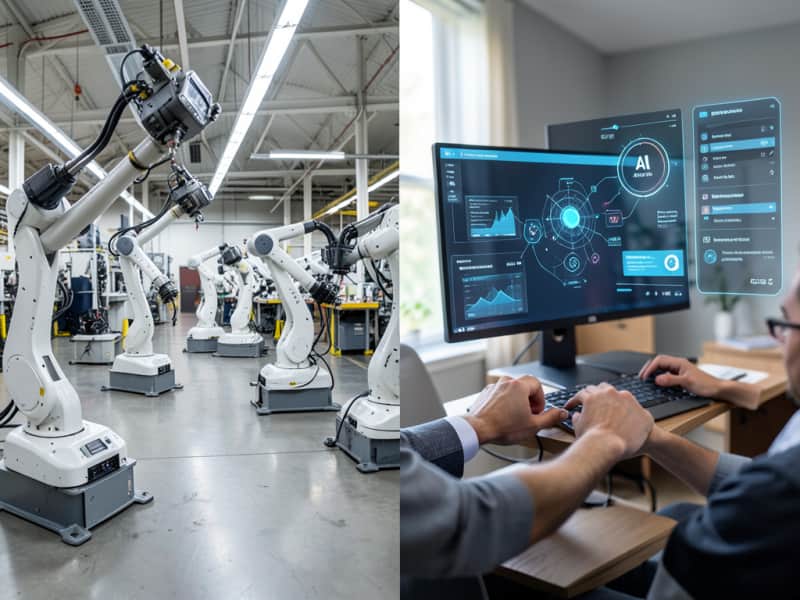
Beyond just matching, AI-driven automation is transforming how freelance work actually gets done, boosting efficiency and cutting down admin work for freelancers and clients alike:
- Automated Proposal Generation and Smart Customization: AI tools now help freelancers by quickly drafting initial proposals. These tools pull out key requirements from job descriptions, spot relevant skills from the freelancer’s profile, and suggest the most fitting experiences or portfolio pieces for the client. While freelancers still need to review, personalize, and add their own creative touch to ensure authenticity, this automation slashes the tedious time spent on drafting, letting freelancers focus on making a stronger, unique case.
- Intelligent Scheduling and Streamlined Communication: AI plays a key role in juggling complex project schedules, especially for teams working across time zones. It can suggest the best meeting times considering different zones, send automatic reminders, and draft routine project messages like progress updates or feedback requests. This keeps projects running smoother, cuts down miscommunications, and keeps everyone in the loop without constant manual follow-up.
- Enhanced Automated Payment and Invoicing Systems: While freelance platforms have long managed secure payments, AI improves these systems further. It boosts fraud detection, making transactions even safer. It smooths dispute resolution by analyzing communications and project milestones. Plus, AI can predict payment trends or spot potential issues before they grow, ensuring quicker, more reliable, and more secure financial dealings for clients and freelancers alike, building trust and peace of mind.
- Comprehensive Project Tracking and Proactive Progress Monitoring: AI carefully watches project milestones, checks activity logs (like time spent on tasks, document versions, or communication frequency), and offers real-time progress updates. It can also warn about delays or scope changes early, allowing quick fixes. For content projects, AI compares drafts with initial briefs and style guides to ensure alignment, spotting gaps automatically and saving review time.
- Sophisticated Quality Assurance and Plagiarism Detection: AI tools serve as an important quality check before final delivery. For writing, algorithms scan for plagiarism, grammar issues, and style consistency. For code, AI reviews quality, best practices, and possible vulnerabilities. In design, AI checks elements against brand guidelines or design rules. This level of automatic quality review helps make sure deliverables consistently meet high standards before clients see them.
Emerging AI-Driven Specializations and New Service Categories
AI’s arrival is not just changing how work happens but also what kinds of work are available, sparking new, specialized service areas in freelancing and opening fresh opportunities:
- AI Prompt Engineering: With the rise of powerful large language models (LLMs) and advanced generative AI tools, prompt engineering quickly became a new niche. Freelancers in this area specialize in crafting clear, nuanced, and highly effective prompts to get the outputs they want from AI—whether that’s complex code, engaging text content, detailed reports, or vivid visuals. Their skill is knowing AI’s strengths and limits to get top results.
- AI Model Training and Data Labeling: Companies need human help to train and tune AI models properly, ensuring accuracy and fairness. This demand created roles for freelancers who annotate images to identify objects, transcribe audio for accurate datasets, or classify large amounts of data by set criteria. These human-in-the-loop jobs are key to AI’s ongoing learning and improvement, offering accessible gigs for precise, detail-focused workers.
- AI-Assisted Content Creation: AI can whip up initial drafts or raw content quickly, but human expertise remains crucial. Freelancers now specialize as editors, fact-checkers, and creative leads who refine, personalize, and strategically shape AI-generated content. Their job is to add brand voice, emotion, critical thought, and strategy that AI can’t fully deliver, turning raw output into truly effective work.
- AI Integration and Consultation: As companies adopt AI, they often struggle to fit these new tools into their workflows and tech systems. This drives demand for freelancers who specialize in AI tool integration, customizing AI solutions for particular business needs, or giving strategic advice on AI adoption. These consultants help businesses unlock AI’s full potential smoothly.
- Niche AI Application Development: Beyond general software work, there’s growing need for developers who can build custom AI solutions for specific industries or unique use cases. This includes creating AI for predictive maintenance in manufacturing, medical diagnostic AI, or smart automation for niche financial tasks. This creates big opportunities for specialized freelance coders and AI engineers to solve unique challenges.
Navigating the AI-Enhanced Freelance Market: Strategies for Freelancers
Freelancers must adapt to this fast-changing scene not just to get by but to grow and succeed. Here are smart ways to position yourself for the AI age:
- Upskill and Reskill Proactively and Continuously: The most important strategy is to keep learning. Prioritize mastering key AI tools and platforms relevant to your field. Writers should learn AI writing assistants to speed up drafts and research. Designers should try AI image and video generators to boost creativity. Consider formal classes or self-study in AI ethics, prompt engineering, data analysis, or machine learning basics to add valued skills. The aim is to work well with AI, not just compete.
- Elevate and Focus on Uniquely 'Human' Skills: As AI automates routine and analytic tasks, human-only talents become even more valuable. Focus on creativity, critical thinking, solving complex problems, emotional intelligence, strategic planning, and strong communication. These are areas AI can’t easily copy and where humans truly stand out, helping you move from simple execution to strategy and relationship work.
- Leverage AI for Your Own Personal Efficiency: Don’t just talk about AI tools; use them in your own work. Automate your admin tasks, streamline research, generate first drafts, or analyze job postings for keywords and client needs. Using AI inside your workflow frees up time for higher-value creative efforts, client interactions, and new services, growing your output and reach.
- Build an AI-Optimized Professional Profile: Make sure your freelance profiles, websites, and portfolios clearly show your AI skills, projects using AI, and any AI specializations. Highlight how you blend AI into your work to deliver better, faster, or more creative results. Clients are searching for talent who can use these technologies well.
- Specialize in Niche AI Applications: Instead of being a generic "social media manager," try evolving into an "AI-driven social media content strategist" who uses AI for trend analysis and scheduling, or an "AI automation consultant for small businesses" who implements AI solutions. This sharpens your expertise, helps you command better rates, cuts direct competition, and positions you as a top expert in a growing field.
Leveraging AI on Platforms: Benefits for Clients Hiring Talent
Clients also stand to gain a lot from the AI-powered changes in freelance platforms. AI integration promises a faster, more precise, and ultimately more successful way to find and manage freelance talent:
- Faster and More Accurate Talent Sourcing: AI’s better matching means clients spend less time sorting through irrelevant applications. Instead, they quickly connect with highly qualified candidates whose skills, experience, and soft skills truly fit their project and culture. This sharpens and speeds up hiring and leads to better candidate pools.
- Better Project Outcome Predictions and Risk Mitigation: AI-based analytics give clients data-backed guesses about project timelines, costs, and success chances when pairing with freelancers. By looking at past data and project specifics, AI helps make smarter hires, lower risks, and set realistic expectations. It turns hiring from guesswork into strategy.
- Streamlined and Automated Vetting Processes: AI now handles initial candidate screening and vetting, saving lots of time. This can mean verifying credentials, analyzing communication styles, checking portfolio relevance, or spotting red flags. Clients get a refined shortlist of candidates who meet core needs, letting them focus on culture and fit.
- Significant Cost Savings Through Enhanced Efficiency: By cutting the hours and effort on manual hiring, project oversight, and reviews, clients save substantial resources. These savings can then be funneled to other business priorities, improving overall operations and profits. It’s about making the whole talent process more efficient.
- Access to New, Highly Specialized AI-Driven Talent: The rise of AI-driven services means clients can now hire specialists for tasks that didn’t exist a few years ago. This opens doors to innovative solutions, from prompt engineers refining AI models to AI integration experts modernizing workflows, boosting innovation and competitive edge.
Addressing the Impact: Job Evolution, Potential Displacement, and New Opportunities
Worries over job loss due to AI are valid and widespread. While some routine, repeatable tasks are at risk, the bigger picture shows far more job evolution and the creation of unexpected new roles.
- Job Displacement of Routine Tasks: Jobs mostly tied to things AI can do faster, more accurately, and cheaper (like basic data entry, simple template content, or first-level customer support handling FAQs) are most vulnerable. This means some roles will shrink or vanish as AI grows smarter. It’s a reality that calls for proactive changes.
- Job Evolution and Transformation: More often, jobs will change, not disappear. For example, a traditional copywriter might shift into an "AI content strategist," overseeing and fine-tuning AI drafts with unique creativity and brand voice. A data analyst might become an "AI analytics interpreter," focusing on strategic insights from AI-processed data rather than manual number crunching. Freelancers who see AI as a valuable partner instead of a threat will adapt and do well.
- Creation of Entirely New Opportunities: Importantly, building, running, and ethically overseeing complex AI systems creates a wave of new job types. Positions like prompt engineers, AI ethics specialists, integrators, and trainers are just a few examples. Also, uniquely human skills—creativity, critical thinking, emotional intelligence, complex problem solving, and detailed communication—grow even more valuable, since AI struggles to replicate these fully. The market rewards original human talent.
In the end, this shift encourages freelancers to move up the value ladder, focusing on higher-level strategic, creative, and interpersonal work that AI can’t yet do. At the same time, they can smartly use AI to handle more repetitive or data-heavy tasks, boosting their efficiency and capacity. Staying adaptable, committed to learning, and proactive are key to a strong freelance career in the AI era.
Choosing the Right Platform in an AI-Driven Era
Picking a freelance platform today means carefully checking its AI features and future plans. When choosing, look for platforms that show these qualities:
- Offer Robust and Intelligent AI Matching: Go for platforms that clearly invest in AI to enhance matching. Platforms like Upwork have used AI for years to boost recommendation quality. Look for smart, personalized suggestions that go beyond basic keyword matches and connect you to truly relevant opportunities or talents.
- Support AI-Specific Service Categories and Specializations: If your skills involve AI, pick platforms building dedicated AI service categories—like prompt engineering, AI art, AI content editing, or AI integration consulting. These make it easier for clients to find you and for you to earn more for niche skills.
- Integrate AI Tools for Enhanced Workflow Efficiency: Check if the platform has built-in AI tools that help with project management, communication, or quality checks. Features like AI task prioritization, smart messaging, or automated quality reviews can simplify your work, whether managing multiple projects or leading a team.
- Prioritize Future-Proofing and Innovation: Platforms that openly invest in AI R&D and clearly share their AI work vision are more likely to stay relevant, offer cutting-edge tools, and meet future needs. Picking them shows you value long-term growth and innovation.
- Conduct Due Diligence on Platform Reputation and Support: Besides AI tech, always research the platform’s reputation for fairness, secure payments, dispute handling, and user support. A high-tech platform with poor support or payment issues will hold you back. Balance innovation with solid, dependable basics.
Using a mix of big, well-known AI-embracing platforms alongside niche platforms focused on targeted AI skills can open the most doors.
The Future of Freelance Platforms: Predictions and Evolving Trends
Looking ahead, AI will lead freelance platforms into major new trends that reshape how we see and do freelance work:
- Hyper-Personalized, Predictive Marketplaces: We’ll see AI systems that don’t just get skills and needs but also subtle details like work habits, communication styles, cultural matches, and even career goals. These highly personalized matches will aim to boost project success and long-term freelancer satisfaction.
- Embedded AI Co-Pilots and Intelligent Assistants: Platforms may add AI assistants right in project dashboards and chats. These co-pilots could suggest ways to manage tasks better, help draft clear messages, pitch creative ideas in brainstorming, or spot project risks early. They’ll be smarter partners along the freelance path.
- Decentralized AI-Powered Platforms leveraging Blockchain: Combining blockchain and AI might create truly decentralized freelance markets. Here, AI manages reputation systems, smart contracts handle payments automatically, and the platform is run by its community through decentralized autonomous organizations (DAOs). This could bring more transparency, security, and fairness.
- Evolution into Comprehensive 'Talent Operating Systems': Freelance platforms will go beyond being marketplaces, becoming full 'Talent Operating Systems' that help freelancers spot skill gaps, recommend career paths, track market trends, and plan long-term growth. Clients will get smarter tools for workforce management and strategic hiring.
- AI for Enhanced Ethical Oversight and Fairness: As AI embeds deeper, platforms will likely use it to watch for fair hiring practices, reduce bias in matching, and promote ethical AI use in projects. This AI-driven oversight will be vital for trust and fairness in the freelance economy.
Conclusion: Adapting to the Next Generation of Freelance Work
Bringing Artificial Intelligence and automation deeply into freelance platforms marks a key turning point in how professional work evolves. This combo is both a big disruptor and a powerful driver of efficiency, innovation, and fresh opportunities. For freelancers, the message is clear: keep learning continuously, nurture the deeply human skills AI struggles with, and actively use AI as a tool and accelerator instead of seeing it only as a threat. For clients, AI-powered platforms offer sharper, faster talent finding, plus smoother project management and better results.
Even though the work world is changing fast and profoundly, people’s basic desire for flexible, meaningful, and engaging work—alongside business needs for skilled, efficient talent—stays the same. By really understanding these big shifts and adapting early, freelancers and clients can not only navigate but genuinely thrive in this exciting AI-driven freelance future. Taking this forward-looking path will help build more productive, fulfilling, and sustainable professional lives in the times ahead.
Key Takeaways
- AI and automation are fundamentally reshaping freelance platforms, improving matching, workflows, and creating new service categories.
- Advanced AI matching goes beyond keywords, analyzing skills, experience, feedback, and predictive success factors, enhancing client-freelancer connections.
- AI-driven automation streamlines proposals, scheduling, payments, project tracking, and quality assurance, saving time and reducing errors.
- New AI-focused specialties such as prompt engineering, model training, and AI integration offer fresh freelance opportunities and niches.
- Freelancers should continuously upskill, focus on uniquely human abilities, and strategically leverage AI tools for efficiency and differentiation.
- Clients benefit from faster, more precise hiring, risk mitigation, streamlined vetting, cost savings, and access to specialized AI experts.
- Job displacement affects routine roles, but AI drives evolution and creation of higher-level, strategic, and creative freelance jobs.
- Choice of freelance platform should consider AI features, innovation, specialized services, and platform reputation to future-proof careers.
- The future promises hyper-personalized AI marketplaces, embedded AI assistants, decentralized platforms, and ethical oversight tools.
- Adapting early and embracing AI as a partner is key to thriving in the next generation of freelance work and building sustainable careers.